How to Clean Aluminum Car Interior Trim Safely?

Time:2026-09-06 Author:Aria
0%

Aluminum trim can make a car interior feel precise, modern, and expensive. It can also reveal every careless wipe. Finger oils, dust, drink residue, and road grit may collect around seams, vents, and gear selectors. The correct answer to “how to clean aluminum interior car trim safely” depends on the trim’s finish, not only its metal base.

The Aluminum Association explains that automotive aluminum commonly uses protective coatings, painted surfaces, or anodized finishes. These layers can react poorly to harsh chemicals and aggressive polishing. S&P Global Mobility reported that the average American vehicle reached about 12.6 years in 2024. Older vehicles need gentler maintenance because coatings may already show wear. That matters.

A safe process starts with the owner’s manual and a hidden-area test. Use a clean microfiber towel, lukewarm water, and a pH-neutral interior cleaner. Apply the product to the towel, never directly into switches or vents. Work in small sections, following the trim’s grain. Remove grit before wiping firmly. A soft detailing brush can lift dust from narrow edges.

Avoid steel wool, abrasive pads, strong solvents, bleach, and unverified household degreasers. They may leave dull patches, stains, or fine scratches. I have seen trim look clean while its protective coating slowly weakened. That mistake is easy to repeat. OEM care guidance and I-CAR training materials both support identifying the surface before choosing a chemical or tool. This guide examines practical methods, warning signs, and safer alternatives for preserving aluminum trim without sacrificing its original texture or appearance.
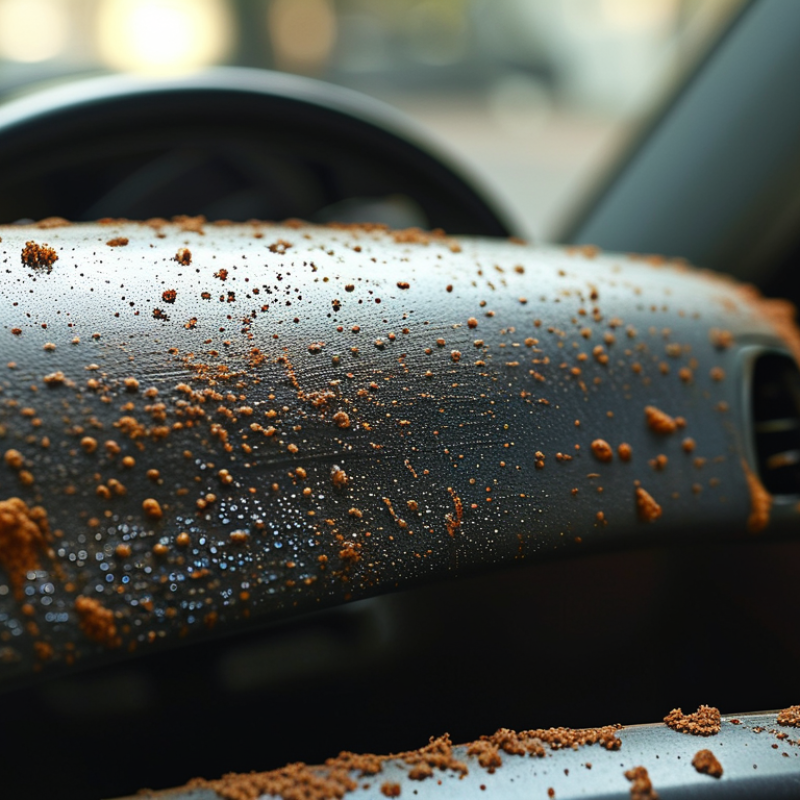
How to Clean Aluminum Car Interior Trim Safely?

Identify the Aluminum Trim’s Finish and Cleaning Requirements

How to Clean Aluminum Car Interior Trim Safely?

Before cleaning, identify the trim’s finish. Aluminum may be brushed, polished, anodized, painted, or protected by a clear coating. Each surface reacts differently to moisture and friction. Brushed aluminum shows fine directional lines, while polished aluminum reflects light like a mirror. Anodized trim often has a uniform color and a smoother feel. Check the vehicle manual or service records when available. If the finish remains uncertain, treat it as delicate.

Start with a soft, dry microfiber cloth. Remove loose dust before adding moisture. For fingerprints or light grime, use a slightly damp cloth with diluted, pH-neutral soap. Keep the cloth damp, not wet. Water can enter seams around the dashboard or door handles. Wipe with the grain on brushed surfaces. Use straight passes, not circular scrubbing. I once assumed a shiny panel was bare aluminum; a strong cleaner dulled its coating. That mistake showed why appearance alone is unreliable.

Tips: Test every cleaner in a hidden corner first. Wait until the area dries. Avoid metal polish, abrasive pads, ammonia, bleach, and rough paper towels unless the manufacturer specifically permits them. Clean in cool conditions, away from direct sunlight. Dry edges immediately with a second microfiber cloth. If the surface feels sticky, cloudy, or unusually rough after testing, stop and seek professional advice. Even careful cleaning can reveal an existing coating failure.

How to Clean Aluminum Car Interior Trim Safely?

Identify the aluminum trim’s finish before cleaning. The chart shows practical care-sensitivity levels for common interior trim finishes, using a 1–5 scale where 5 requires the greatest caution.

Use a soft microfiber cloth and a mild, pH-neutral cleaner. Avoid abrasive pads and aggressive solvents, especially on brushed, polished, or uncoated aluminum surfaces. Always test an inconspicuous area first.

Gather Safe Tools and a Non-Abrasive Cleaning Solution

How to Clean Aluminum Car Interior Trim Safely?

Gather soft microfiber cloths, a clean cotton swab, and a soft detailing brush. These tools lift dust without scratching aluminum surfaces. Use distilled water mixed with a small amount of pH-neutral soap. The solution should feel mild, not slippery or strongly scented.

Spray the solution onto the cloth, never directly onto the trim. Wipe gently along the metal’s grain, especially on brushed surfaces. A dry cloth should remove remaining moisture and prevent cloudy marks. Avoid abrasive pads, paper towels, polish, ammonia, bleach, and strong solvents. They may damage protective coatings or leave uneven discoloration. Test the solution behind a trim edge first. I once cleaned too quickly and missed grit near a seam, which caused a faint hairline mark. That mistake changed my routine. I now inspect every corner before wiping.

Tips: Use light pressure and several clean cloth sections. Keep liquid away from switches, vents, and stitching. For narrow grooves, use a barely damp cotton swab. Stop if the finish looks dull, sticky, or unusually dark. Different aluminum finishes can react differently, so a hidden test remains important. Fresh water may seem harmless, but trapped moisture can reach nearby electronics. Take your time.

Remove Dust and Surface Debris Before Applying Cleaner

Before cleaning aluminum car interior trim, remove loose dust and surface debris completely. Grit can act like fine sandpaper when dragged across the metal. Use a soft detailing brush and a vacuum with a narrow nozzle. Hold the nozzle slightly above the surface, rather than scraping it against the trim. Work around seams, switch edges, and the base of the gear selector. Short strokes are safer.

The U.S. Environmental Protection Agency reports that indoor pollutant levels can often be two to five times higher than outdoor levels, so cabin dust deserves more attention than appearance alone. The World Health Organization’s 2021 air-quality guidelines set annual PM2.5 exposure at 5 micrograms per cubic meter. Dry removal helps prevent particles from becoming airborne during wiping. Do not use compressed air inside the cabin.

After vacuuming, inspect the trim under a bright light. A clean, dry microfiber towel should lift remaining powder without leaving streaks. I once skipped this step and created faint hairline marks near a trim joint. That mistake was avoidable. Use a separate towel for each area, and fold it often to expose a clean side. If the aluminum is brushed, wipe in the existing grain. For coated or anodized surfaces, apply cleaner only after testing a hidden spot. Excess liquid can collect around panel gaps. Be cautious.

Clean the Aluminum Trim Gently in Small Sections

How to Clean Aluminum Car Interior Trim Safely?

Clean the aluminum trim gently in small sections. Work only when the surface is cool and shaded. Heat can make soap dry too quickly and leave cloudy marks. Remove loose dust with a soft brush or clean vacuum attachment. Do not drag grit across the metal.

Dampen a microfiber cloth with warm water and a small amount of pH-neutral soap. The cloth should feel moist, not wet. Test the solution on a hidden edge first. Some trim has a clear coating, while older aluminum may show fine oxidation. Wipe an area no larger than your hand. Follow the trim’s grain with light, straight passes. Turn the cloth often.

Small sections matter.

Dry each section immediately with another clean microfiber cloth. Keep moisture away from switches, seams, and nearby electronic controls. Avoid abrasive pads, metal polish, acidic cleaners, strong alkaline products, and solvent-based sprays. They may dull the finish or remove protective coatings. I used to wipe larger areas at once, but that made missed residue harder to notice. Slowing down gives better control, although it feels less efficient. For stubborn fingerprints, repeat the gentle cleaning rather than pressing harder. A soft cotton swab can reach narrow grooves without scratching the surrounding surface. Inspect the trim under indirect light, because bright sunlight can hide uneven streaks.

Dry, Inspect, and Protect the Finished Surface

Dry, Inspect, and Protect the Finished Surface

Aluminum trim needs less force than most people expect. Start with a cool surface and remove loose dust using a clean, soft microfiber towel. Mist the towel, not the trim. Excess liquid can enter seams, switches, or stitching. The U.S. Department of Energy’s 2023 Vehicle Technologies Market Report notes that aluminum can reduce body mass by up to 40% compared with steel. That lighter material is not automatically scratch-resistant.

After cleaning, dry the trim immediately with a second towel. Use short, straight passes around the gear selector, door pulls, and dashboard edges. Inspect under bright, angled light. Look for cloudy patches, trapped grit, water marks, or fine lines. Do not polish blindly. A rough feeling may indicate contamination, not oxidation. I once wiped too quickly and dragged grit across a brushed section. The mark was small, but prevention would have been easier.

Protection should match the finish. Choose a residue-free interior protectant approved for aluminum and test it in a hidden area. The U.S. EPA’s 2023 Safer Choice Annual Report lists more than 2,000 products meeting its ingredient-screening requirements, but approval does not guarantee compatibility with every surface. Apply a thin layer, then buff until the trim feels dry, not oily. Avoid silicone-heavy dressings, abrasive pads, acidic cleaners, and household metal polish. Recheck the surface after ten minutes. If streaks remain, remove them gently rather than adding more product.

FAQS

: When should aluminum interior trim be cleaned?

: Clean it when the surface is cool and shaded. Heat can dry soap too quickly.

How should loose dust be removed?

Use a soft brush or clean vacuum attachment. Do not drag gritty dust across the metal.

What cleaning solution is suitable?

Mix warm water with a small amount of pH-neutral soap. The cloth should feel moist, not wet.

Should the solution be tested first?

Yes. Test it on a hidden edge before cleaning visible areas. Finishes can differ.

How large should each cleaning section be?

Clean an area no larger than your hand. Follow the metal grain with light, straight passes.

How can switches and electronics be protected?

Mist the cloth, not the trim. Keep liquid away from seams, switches, stitching, and controls.

What should be avoided during cleaning?

Avoid abrasive pads, metal polish, acidic cleaners, strong alkaline products, and solvent sprays.

How should stubborn fingerprints be removed?

Repeat gentle cleaning instead of pressing harder. A soft cotton swab can reach narrow grooves.

How should the trim be dried and inspected?

Dry each section immediately with a second microfiber cloth. Check for streaks under angled light.

Is protective product always safe for aluminum trim?

No. Test a residue-free interior protectant on a hidden spot first. Approval does not ensure compatibility.

How much protectant should be applied?

Apply a thin layer and buff until the surface feels dry. Remove streaks instead of adding more product.

What cleaning mistake is easy to make?

Wiping large areas too quickly can spread grit and hide residue. Slower cleaning gives better control.

Conclusion

Learning how to clean aluminum interior car trim safely begins with identifying the trim’s finish and checking its specific cleaning requirements. Some surfaces may be polished, brushed, coated, or painted, and each can react differently to moisture and cleaners. Prepare soft microfiber cloths, a soft detailing brush, and a mild, non-abrasive cleaning solution. Avoid rough pads, harsh chemicals, and excessive water, which may dull the finish or affect surrounding materials.

Before cleaning, gently remove dust and loose debris to prevent scratching. Work in small sections, applying a small amount of cleaner to the cloth rather than soaking the trim. Wipe with light pressure, following the grain when visible, and use a clean cloth to remove residue. Dry the surface immediately, then inspect it under good lighting for streaks, spots, or missed areas. Once clean, apply a suitable protective product only if it is compatible with the trim’s finish, helping maintain its appearance without leaving a greasy film.

Aria

Aria

Aria is a dedicated marketing professional with a deep passion for innovative strategies and a keen understanding of our company's product offerings. With a wealth of experience in the industry, Aria excels at crafting engaging content that highlights the unique features and benefits of our......