The global automotive aftermarket is witnessing an unprecedented shift. Driven by the expansion of outdoor tourism, overland adventure trends, and the explosive growth of Sport Utility Vehicles (SUVs) and Electric Vehicles (EVs), the demand for custom OEM rooftop cargo carriers is experiencing an accelerated compound annual growth rate. Modern consumers no longer view car utility simply as transport; they view it as an extension of their lifestyle. This shift demands premium engineering that combines massive storage capacity with structural safety and sleek aesthetics.
However, today's automotive engineering landscape presents distinct technical challenges. Electrification demands aerodynamic profiles to counter range depletion. An un-optimized rooftop container can increase a vehicle's drag coefficient ($C_d$) by up to 35%, drastically reducing the efficiency of electric vehicle powertrains. Consequently, global corporate buyers, premium car distributors, and Tier-1 automotive brands are turning to advanced OEM manufacturers capable of delivering co-extruded polymers, complex wind-tunnel tested geometry, and secure multi-point structural locking mechanisms.
Guangzhou Molas Auto Co., Ltd., leveraging decades of expertise in precision production and supply chains, has built an advanced production matrix to address these critical market developments. By implementing digital simulation software alongside vacuum forming and automated injection systems, we enable brands to design, validate, and mass-produce carriers that match the aerodynamic styling cues and structural safety margins of the world’s leading automotive brands.
B2B buyers face unique challenges when sourcing rooftop cargo carriers at scale. For distributors, fleet operators, and global brands, a cargo carrier is not a standalone plastic accessory; it is a critical exterior component subject to harsh wind loads, UV degradation, chemical exposure, and highway-speed vibration. The primary procurement bottlenecks include:
Standard plastics degrade, fade, and turn brittle under continuous solar UV radiation and extreme temperatures (-40°C to +80°C). We use multi-layer co-extrusion polymers (ABS/PMMA) to protect long-term structural integrity.
Single-point latches are prone to failing at high speeds under internal pressure. Our engineering focuses on multi-point central locking systems that prevent lid release unless the box is structurally locked.
Poorly engineered mounting brackets slide or wear down roof rails. Our custom OEM clamping mounts feature structural metal core reinforcement wrapped in anti-slip elastomer materials.
By partnering with Guangzhou Molas Auto, procurers access a fully integrated system. We run exhaustive engineering controls to analyze stress distributions, evaluate dynamic load ratings, and verify that mounting points withstand the rigorous vibrations of international transit and real-world travel.
To capture market share, rooftop cargo boxes must balance weight, durability, and fluid dynamics. Below is our engineering roadmap for premium custom OEM rooftop carrier systems.
We utilize co-extruded Acrylonitrile Butadiene Styrene (ABS) backed by a protective layer of Polymethyl Methacrylate (PMMA). The ABS provides impact resistance and high toughness, while the PMMA top-coat provides high gloss, scratch resistance, and shields against UV radiation.
By simulating aerodynamic properties through Computational Fluid Dynamics (CFD), we optimize the leading edge and trailing slopes. This lowers the drag coefficient ($C_d$) and suppresses acoustic wind resonance at high highway speeds.
As automotive clients prioritize circular supply chains, we offer recycled plastics that maintain strict mechanical baselines. These materials align with environmental mandates without compromising structural toughness.
Our testing protocols guarantee structural integrity before any product enters shipping. Our quality process includes:
Simulating structural integrity under rapid deceleration (up to 20G forces) ensuring the carrier remains anchored to the roof rack crossbars.
Exposing products to temperature extremes and salt sprays, simulating over 10 years of harsh coastal and desert exposures.
Automated pneumatic arm machinery cycles the dual-sided opening springs up to 15,000 repetitions to confirm zero mechanism fatigue.
Guangzhou Molas Auto Co., Ltd. is a professional manufacturer and global supplier specializing in premium automotive parts and accessories. With years of industry experience, we focus on providing high-quality replacement and aftermarket parts for leading European vehicle brands, including Mercedes-Benz, BMW, Land Rover, Audi, Porsche, and other luxury automotive brands.
Based in Guangzhou, China, Molas Auto integrates manufacturing, sourcing, quality control, and international trade services to deliver comprehensive automotive solutions to customers worldwide. Supported by our advanced production facilities, experienced engineering team, and efficient supply chain management system, we are able to meet diverse customer requirements with reliable products and customized solutions.
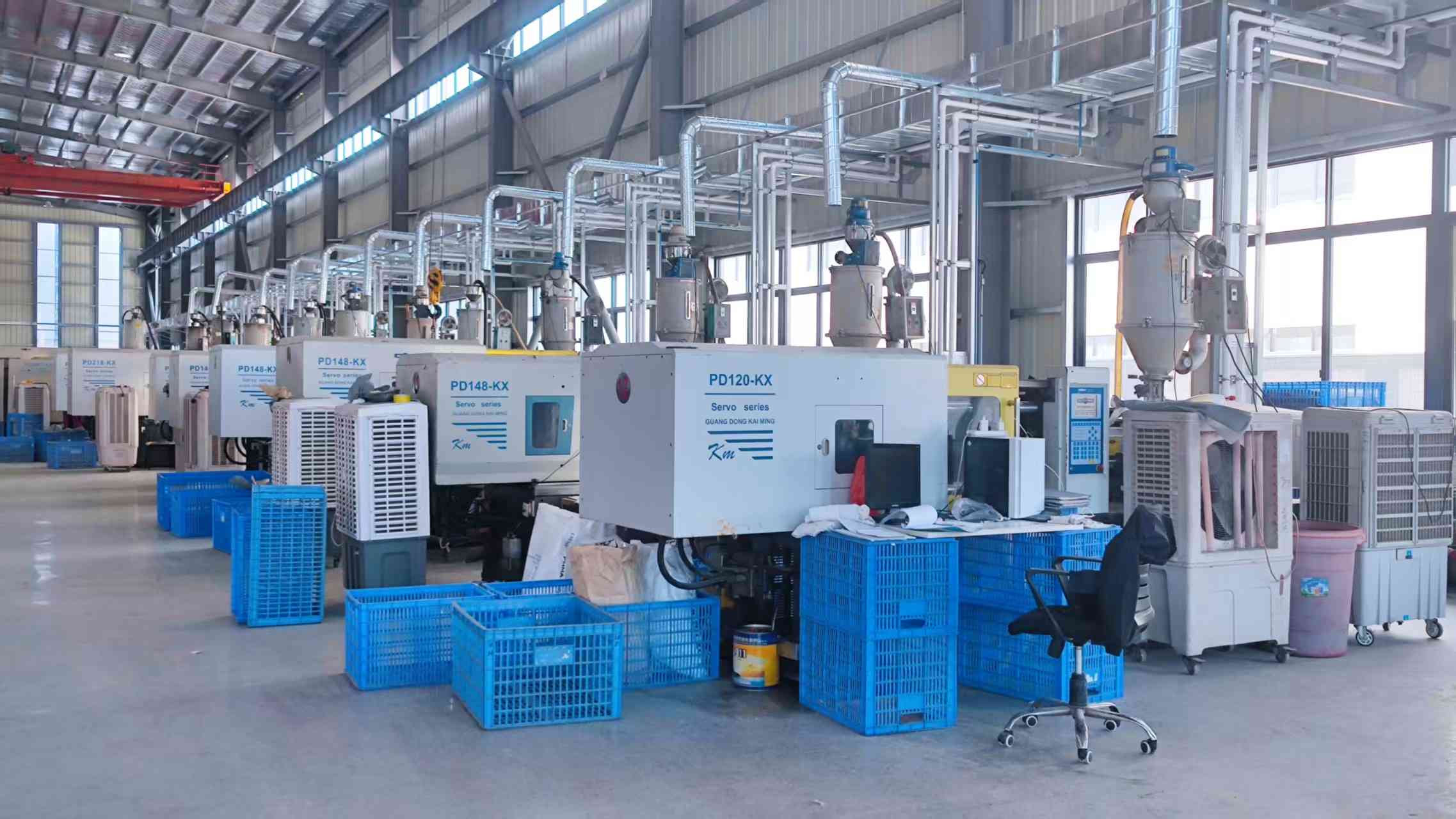
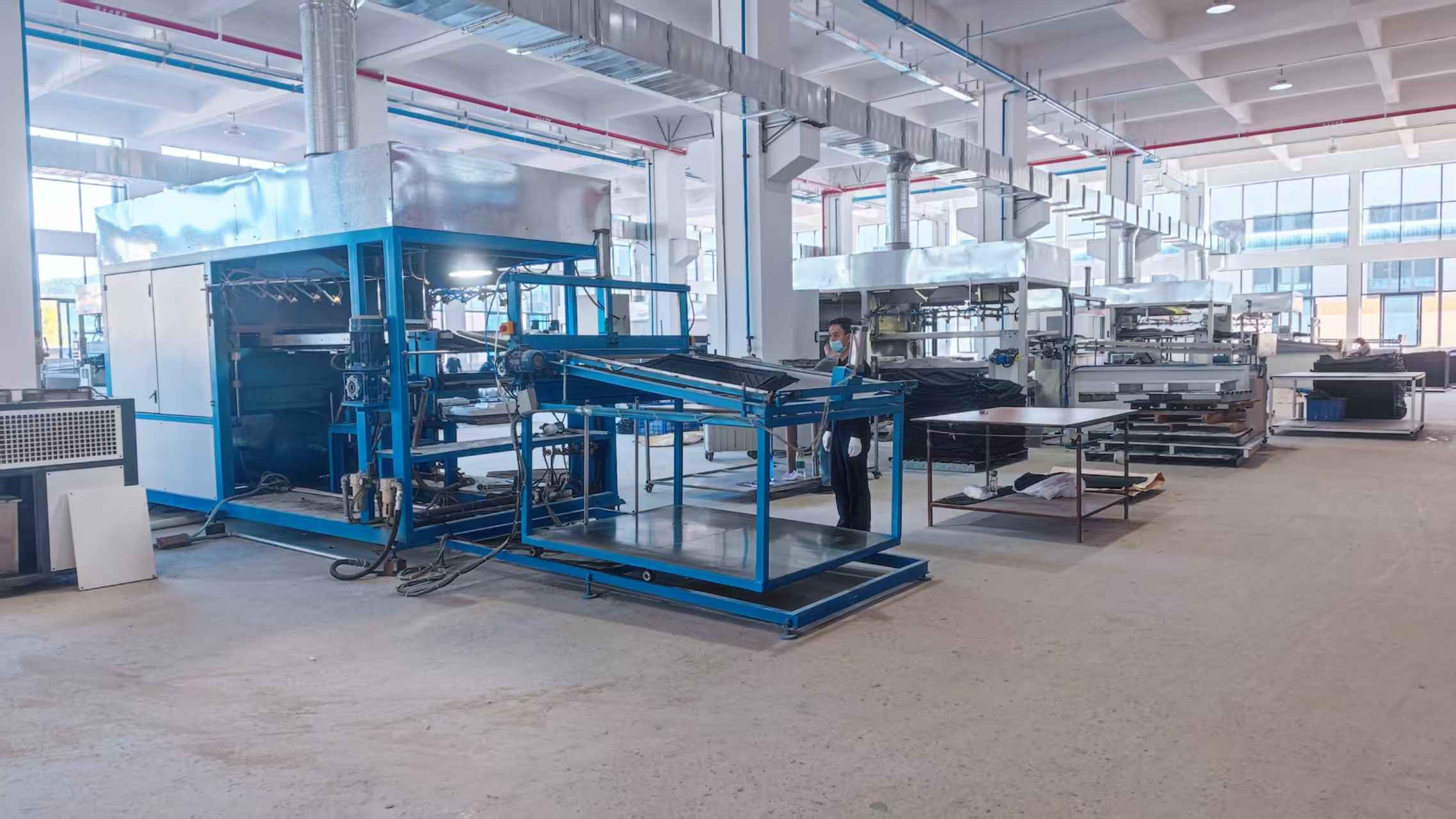
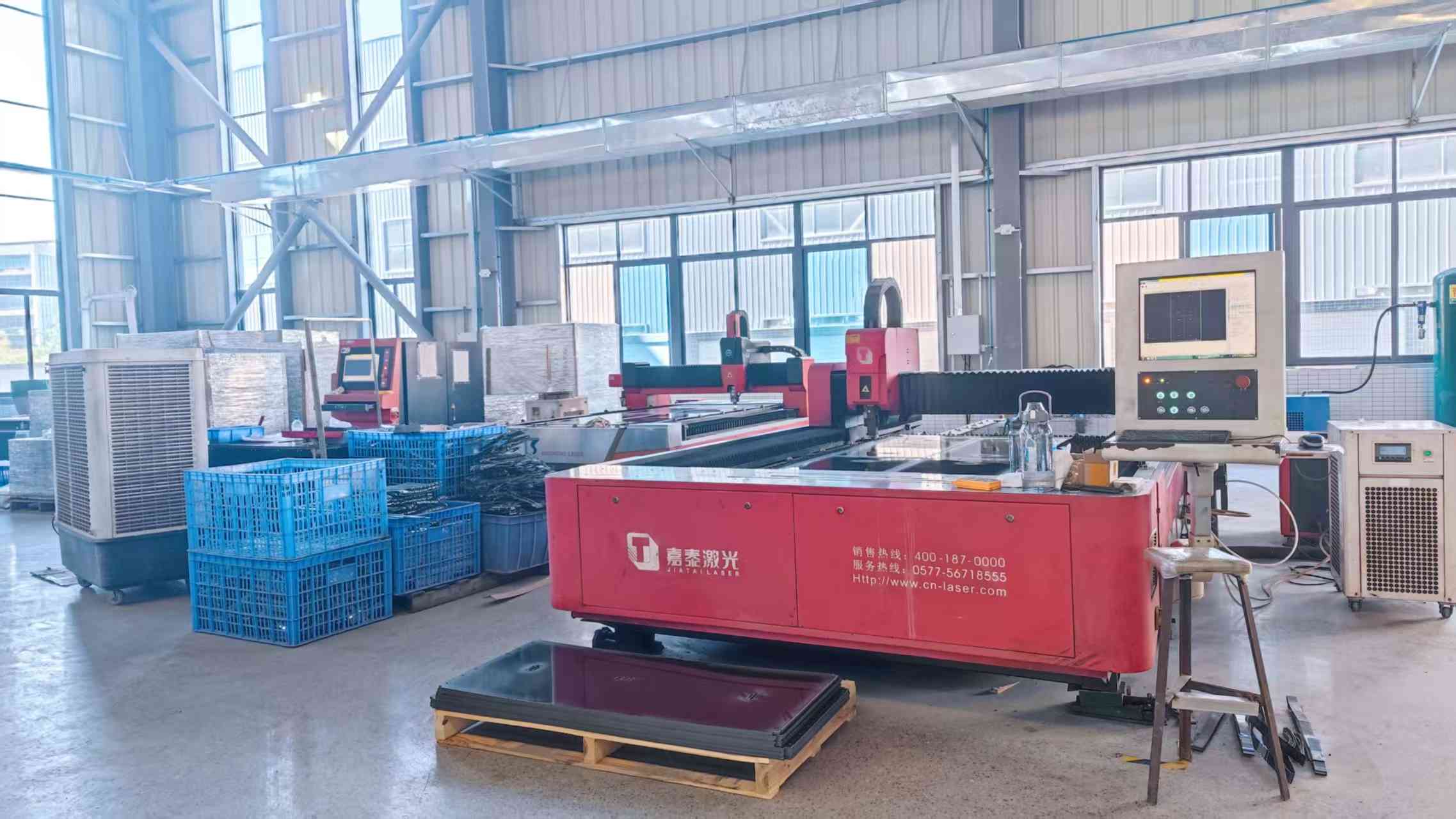
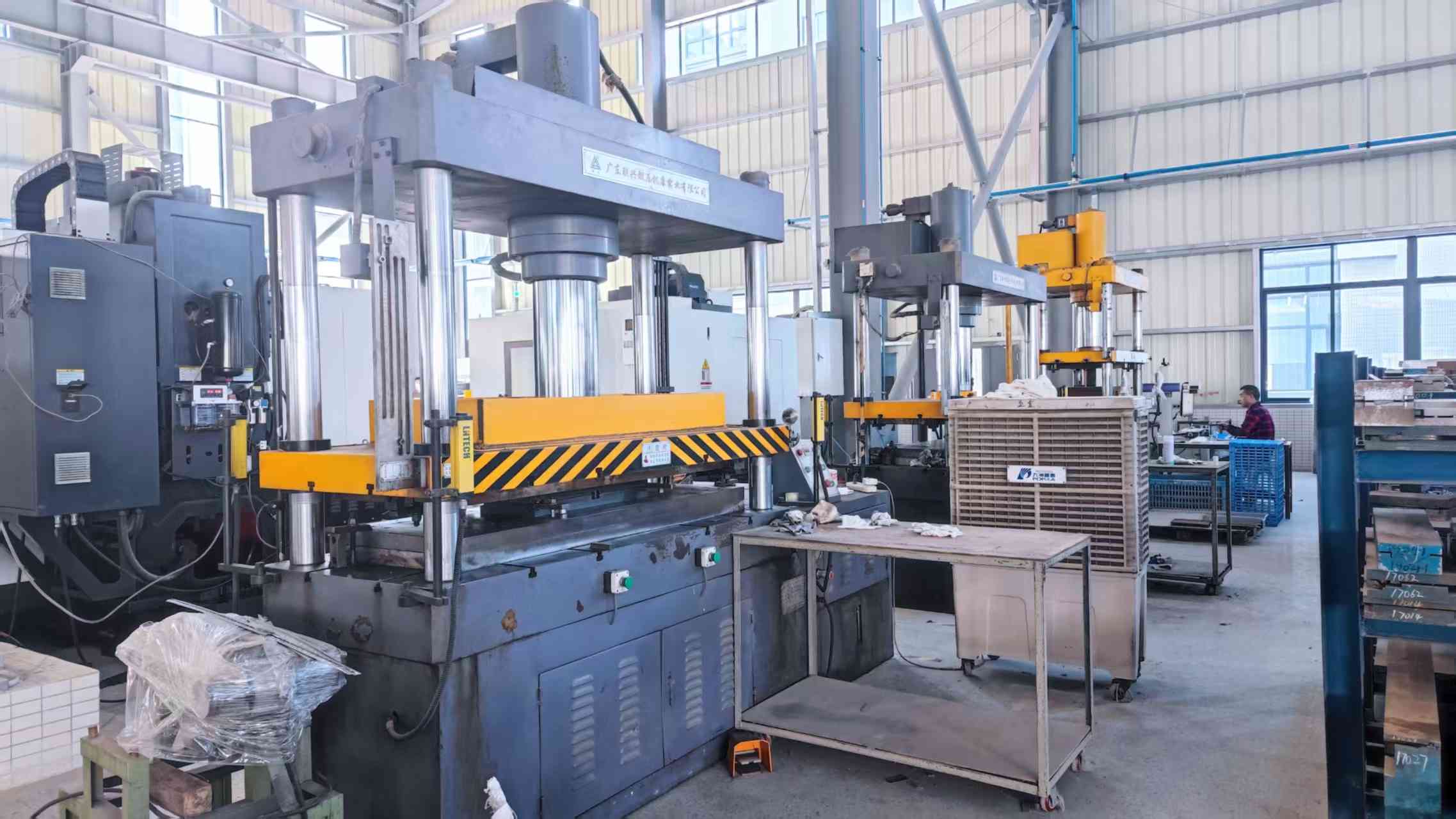
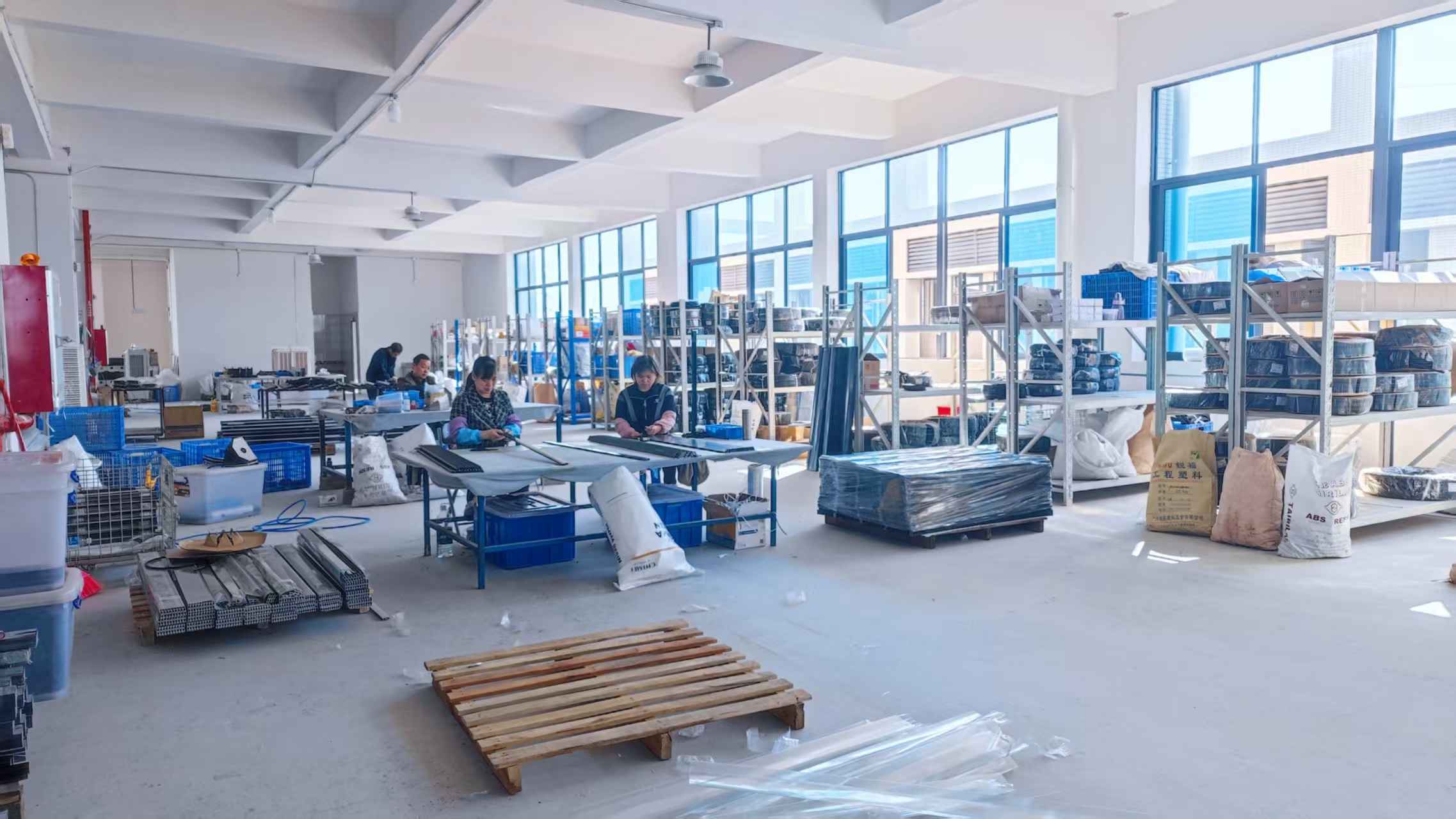
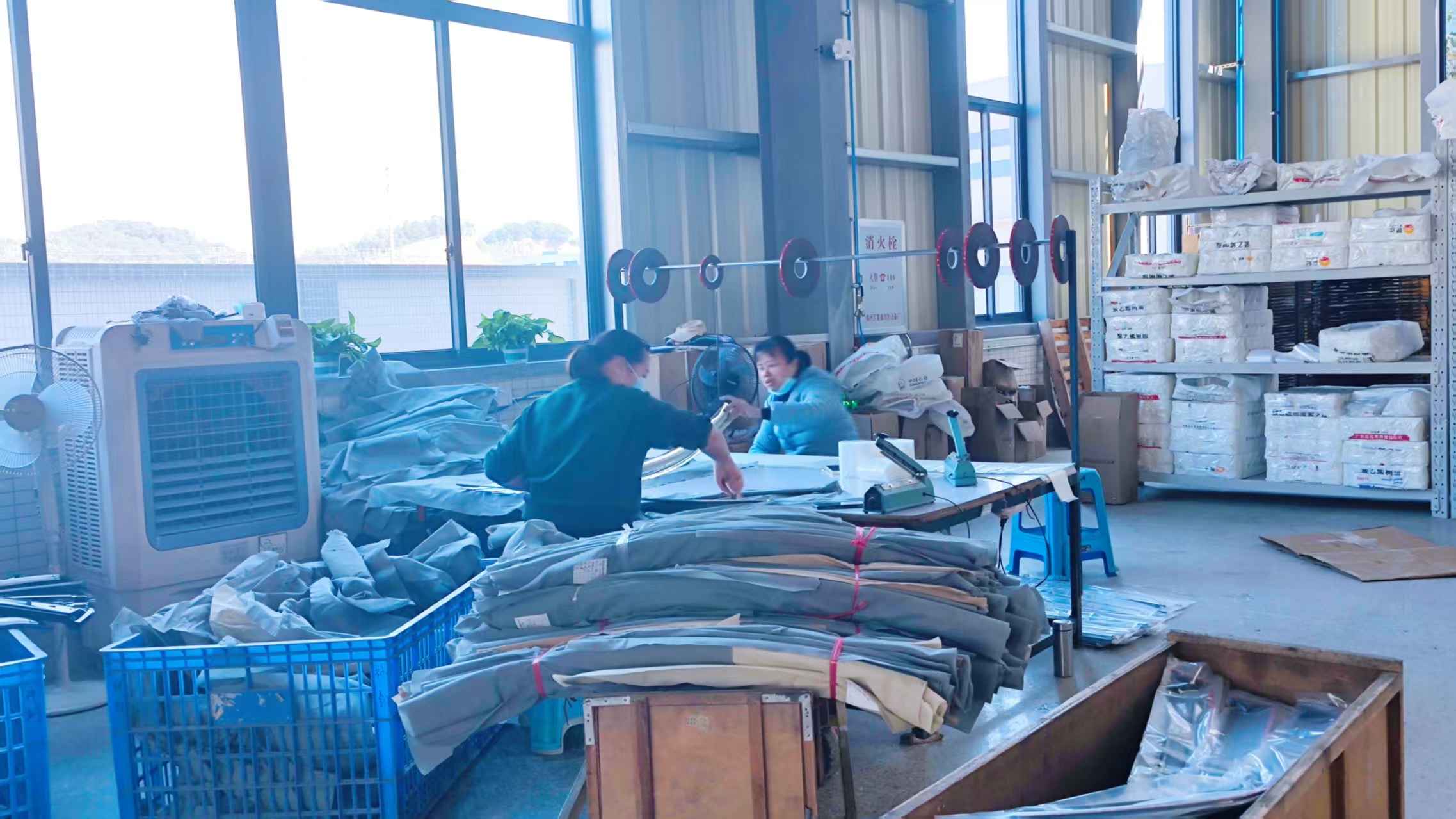
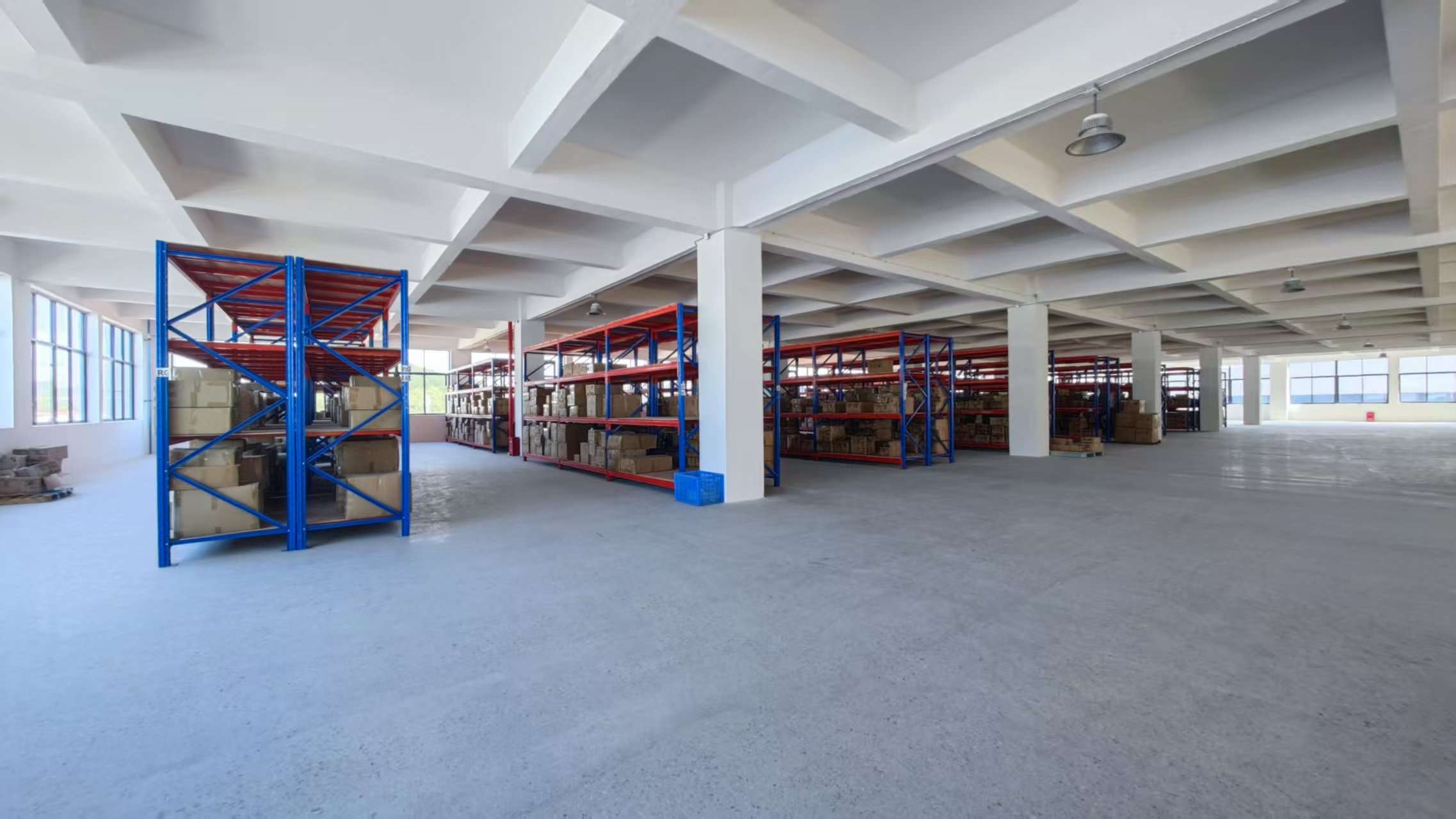
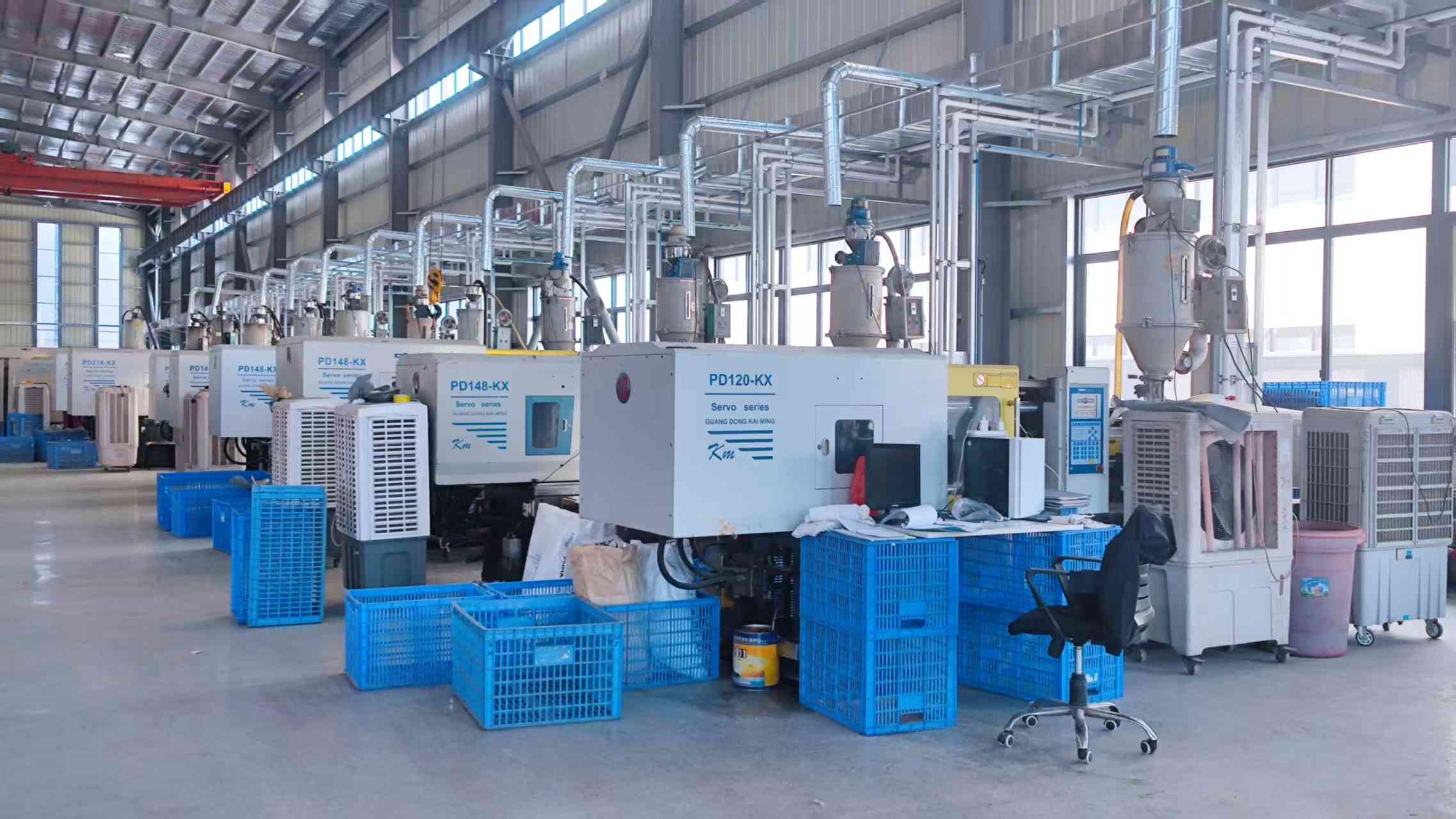
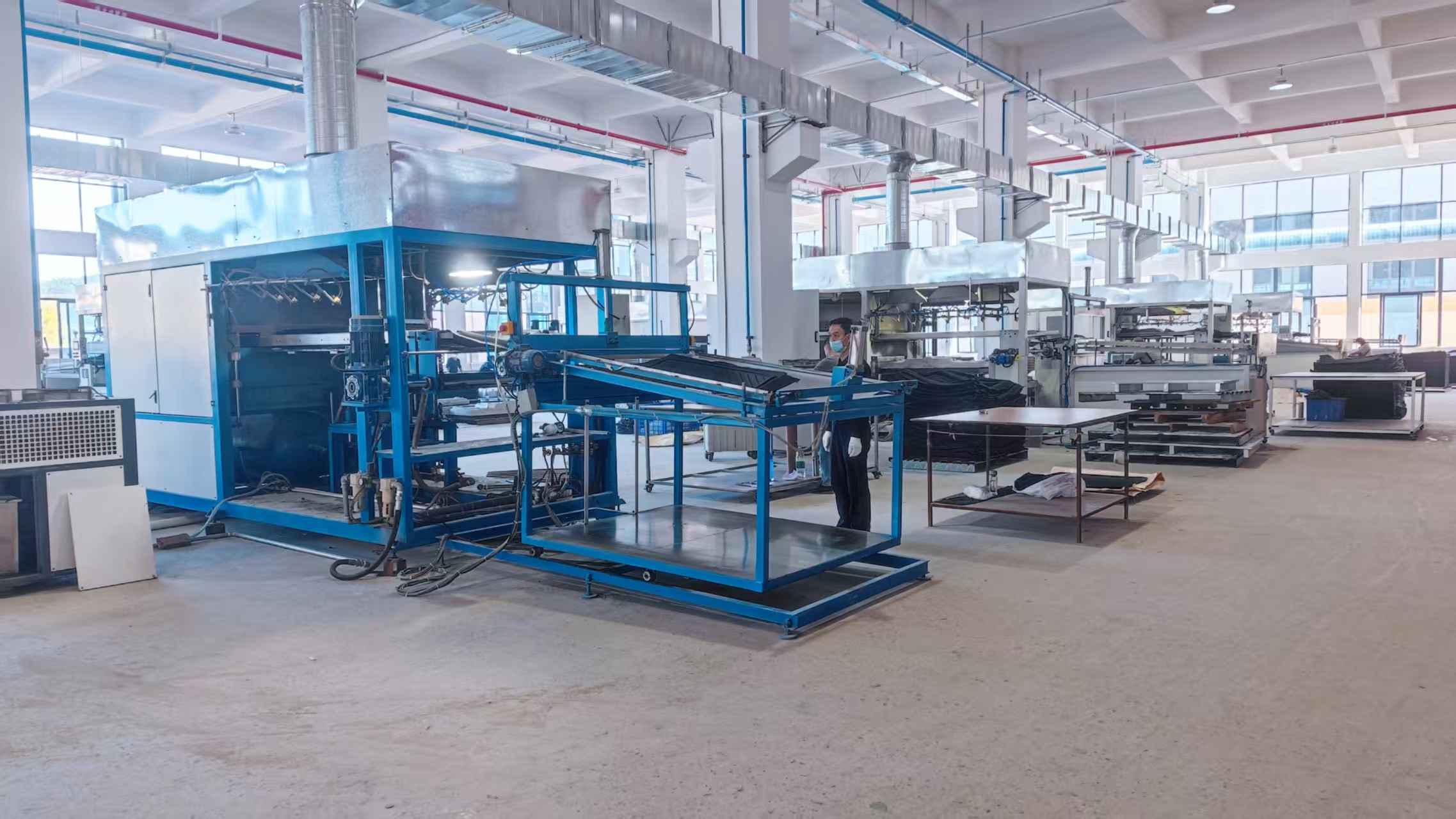
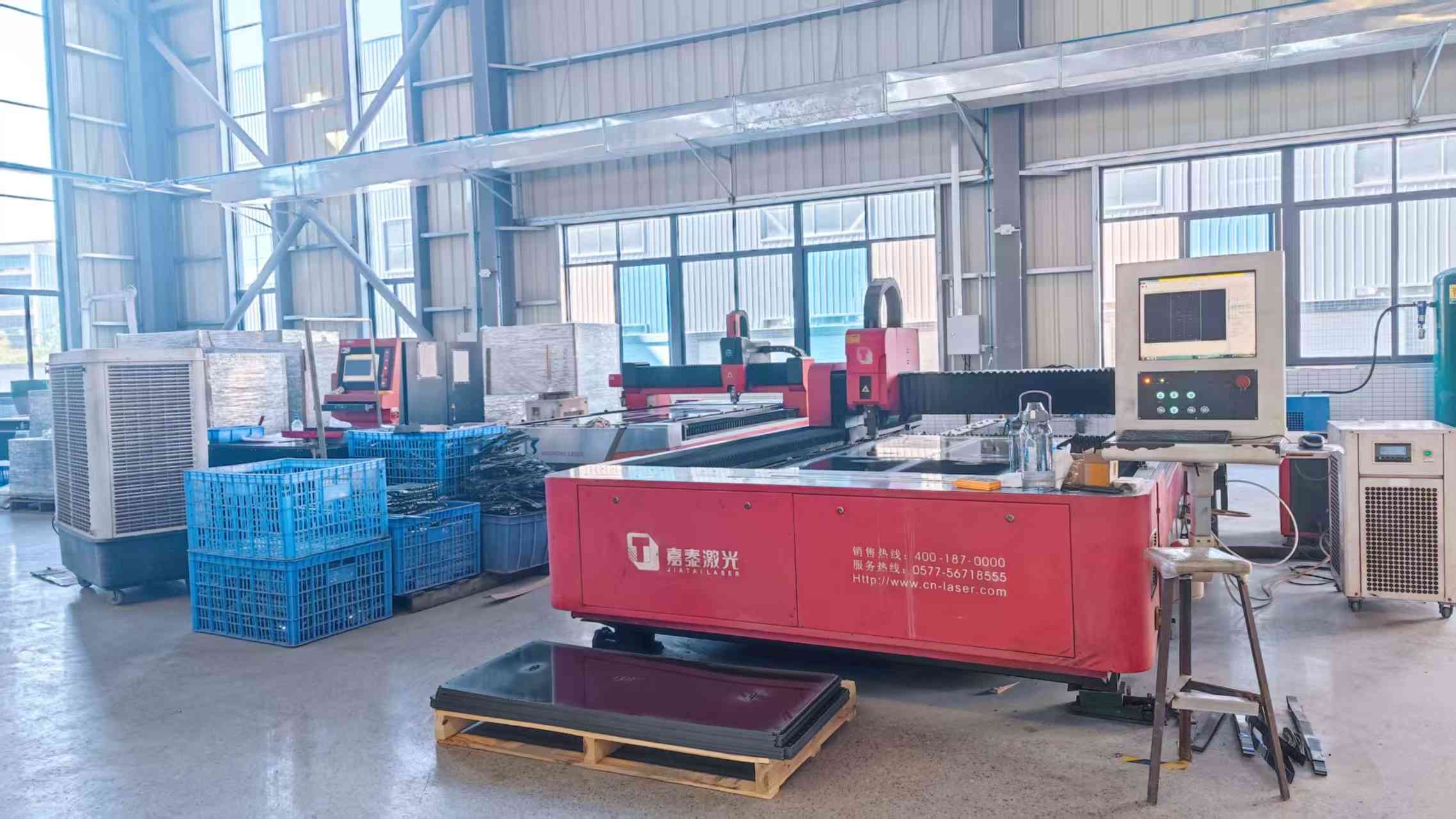
Our manufacturing capacity relies on precision machinery and structured operations. Below is our processing environment:
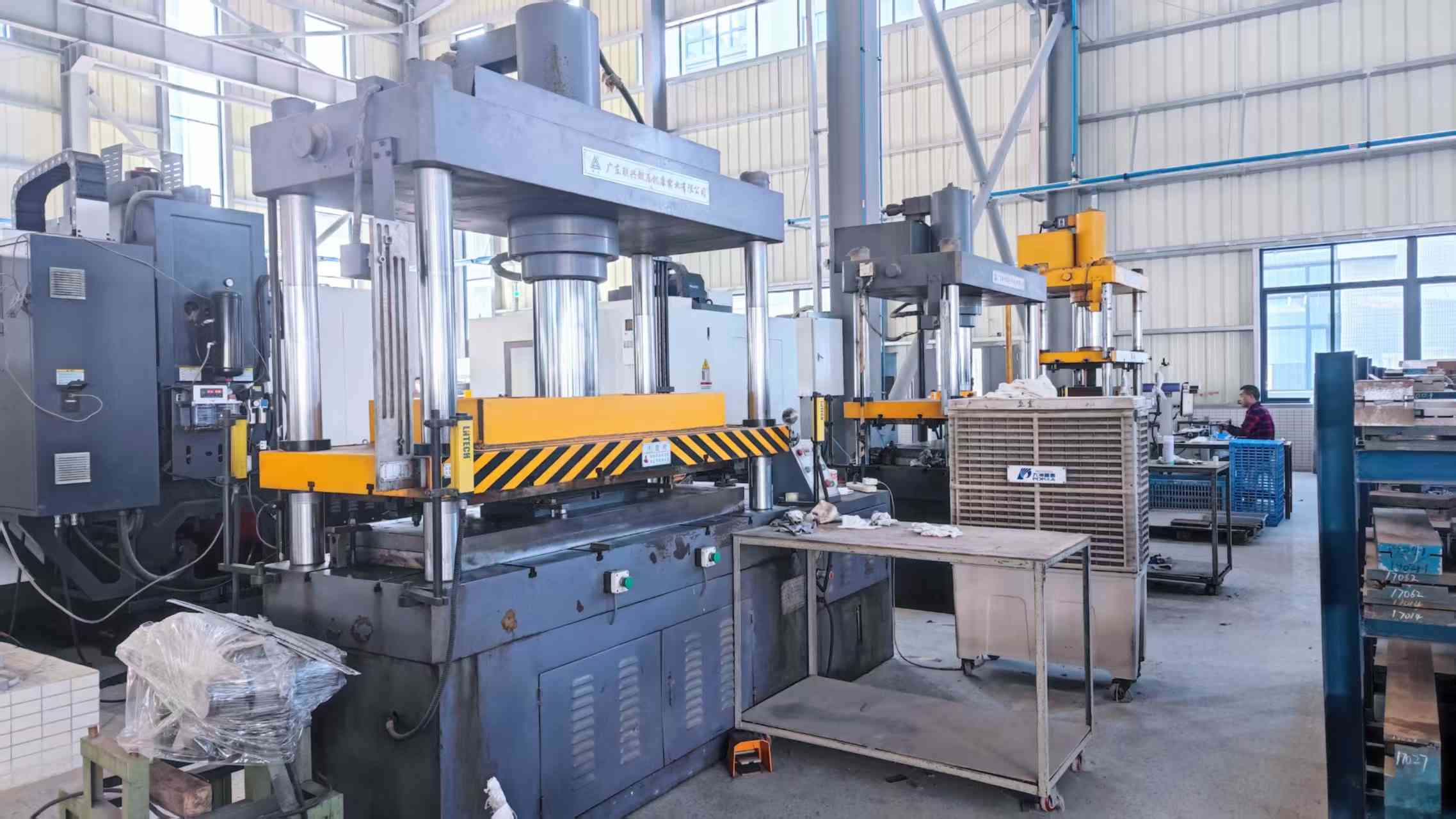
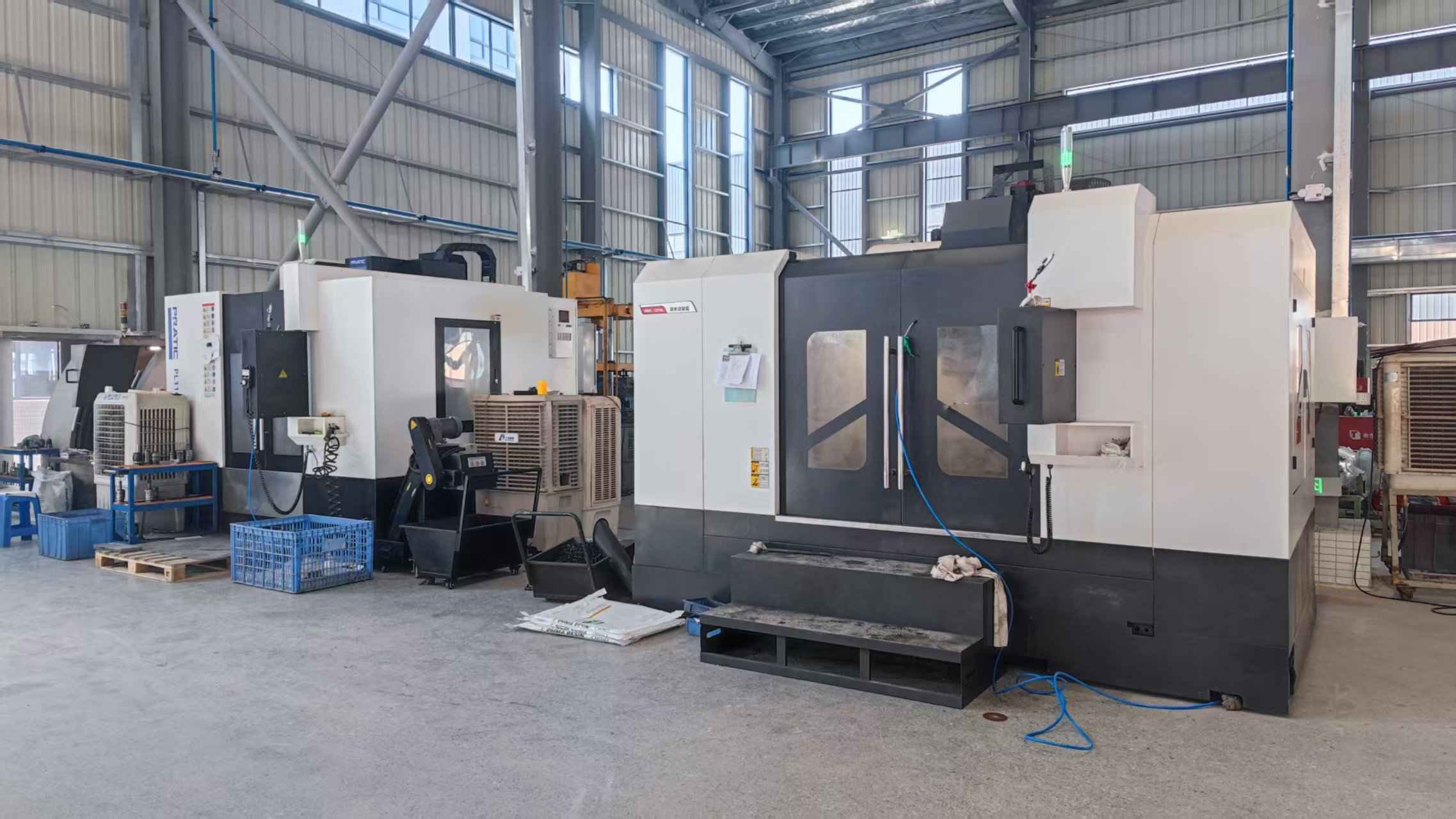
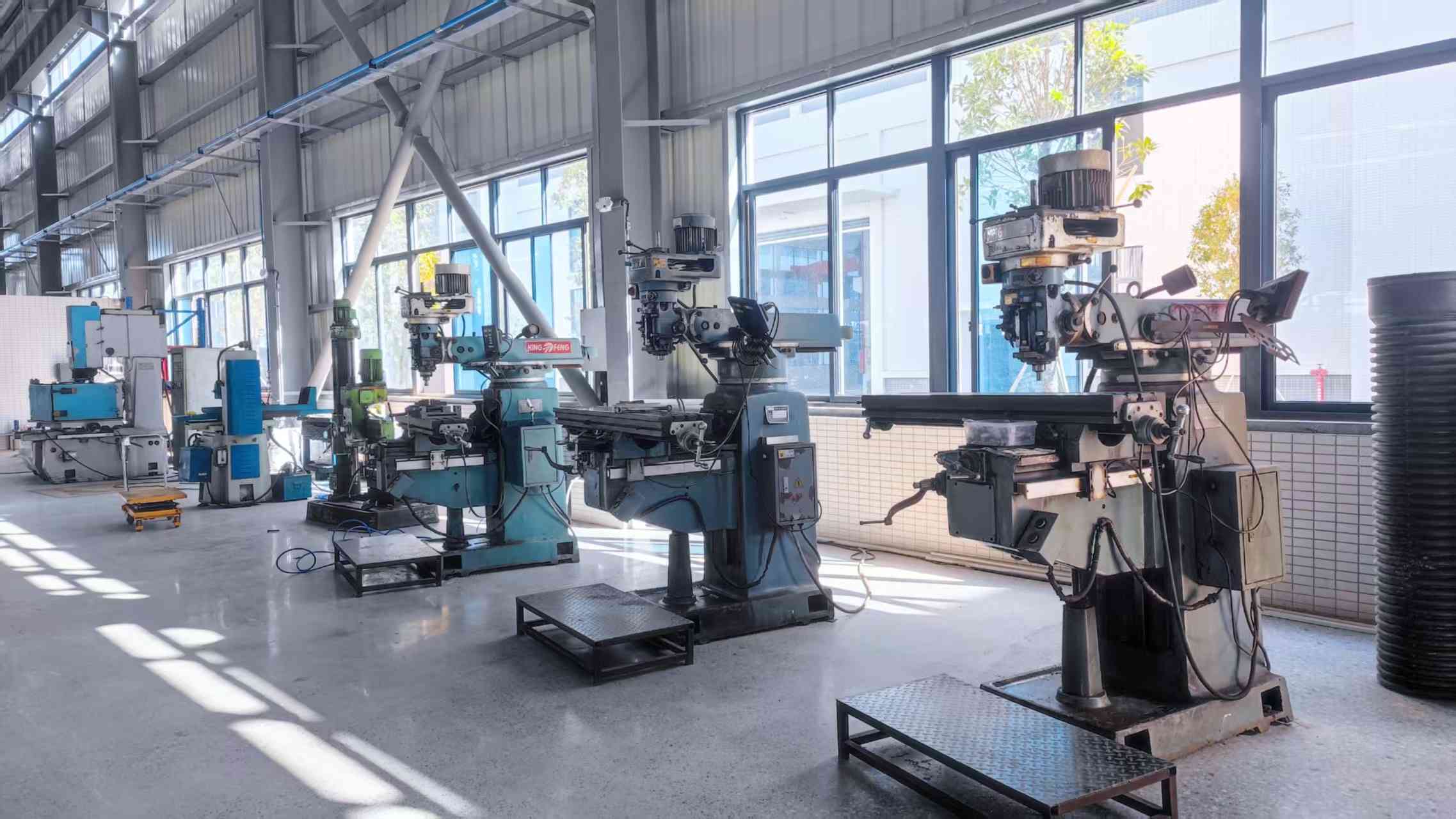
Operating in international markets requires rigorous compliance and supply chain reliability. Roof rack accessories require certifications to enter Western markets. Guangzhou Molas Auto Co., Ltd. ensures all operations meet these regulatory and structural standards:
Our engineering outputs conform to standards like TÜV, GS, CE, and US DOT. We follow strict environmental protocols to comply with REACH and RoHS standards, protecting consumer safety and chemical stability.
With our proximity to major ports in Southern China (Guangzhou/Shenzhen), we coordinate containerized transport, consolidated ocean shipping, and door-to-door B2B logistics to stabilize delivery costs.
We provide installation documentation, technical drawings, video guides, and replacement part catalogs (including lock cores and struts) to help your support teams resolve issues quickly.
Guided by our core philosophy of “Quality Creates Value, Service Builds Trust,” Guangzhou Molas Auto Co., Ltd. is dedicated to providing superior automotive parts and establishing long-term partnerships with customers worldwide. We sincerely welcome friends and business partners from around the world to cooperate with us for mutual growth and shared success.
Key information regarding material characteristics, custom design parameters, quality control testing, and shipping requirements.
 Molas Auto